
The Basics of Fireplace Venting
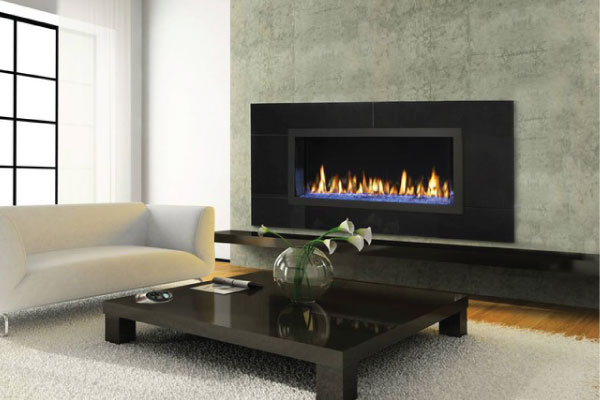
A fireplace isn’t just a design feature, it’s a functional appliance that must be ventilated correctly for safe operation. Venting determines how air is drawn in and expelled, directly impacting safety and performance. In general, fireplace venting options fall into three categories:- Natural Vent (B-Vent): Uses the room’s air for combustion and vents exhaust through a vertical flue or chimney. In many cases, power venting systems are required to assist with airflow and ensure proper exhaust in B-vent fireplaces.
- Direct Vent: Sealed system that pulls air from outside and vents exhaust outdoors via a coaxial pipe.
- Vent-Free: No venting, which is often restricted or prohibited in many areas due to safety concerns.
How Direct Vent Systems Work
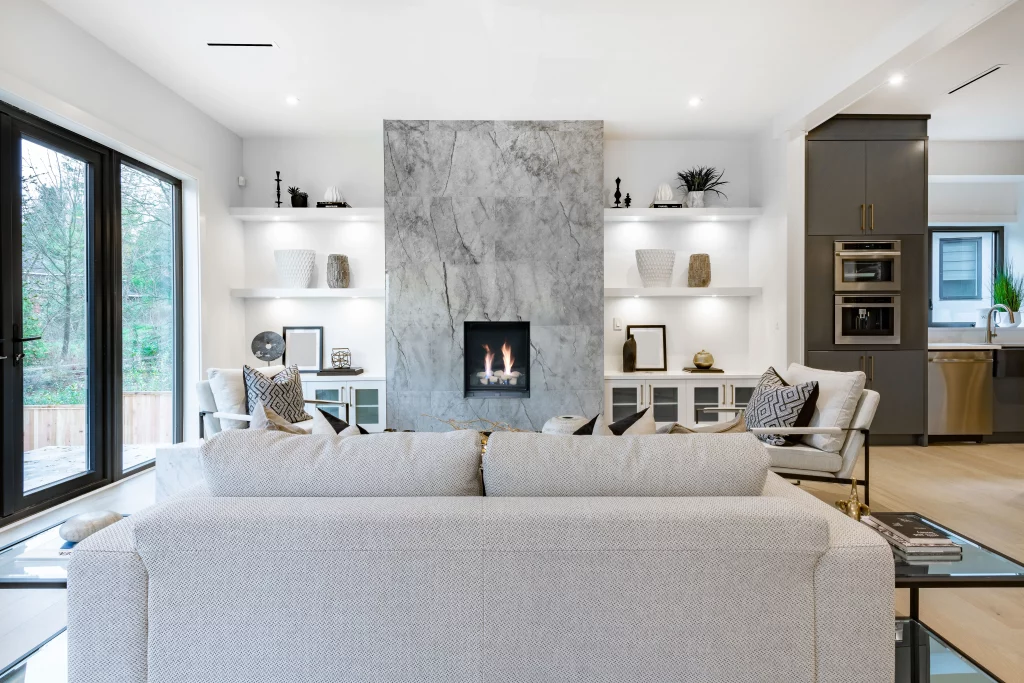
A direct vent fireplace is a sealed combustion system. That means:- It pulls combustion air from outdoors.
- It expels exhaust gases back outside.
- It uses a coaxial pipe (a pipe within a pipe) to accomplish both tasks efficiently and safely.
When to Choose a Direct Vent Fireplace
You might consider a direct vent system if:- Your home is tightly sealed or energy-efficient. These homes benefit from sealed combustion that doesn’t disrupt interior airflow.
- You’re building or remodeling and want a clean, modern aesthetic without the need for a chimney.
- You’re limited in vertical space but want a fireplace that vents safely outdoors.
When Another Venting Option Is Better
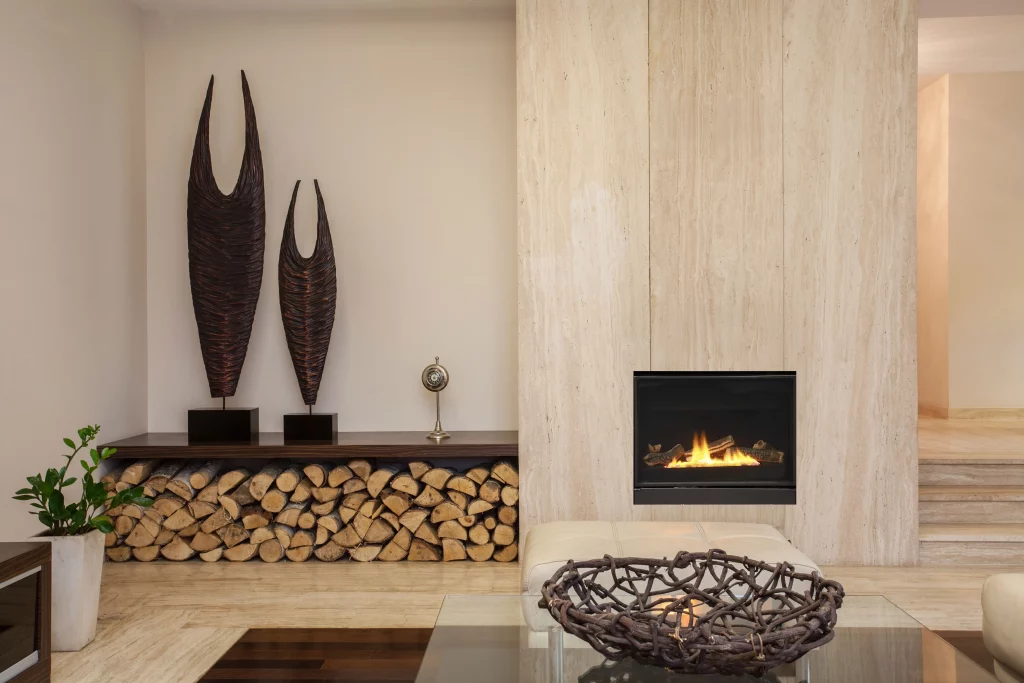
While direct venting is popular, some projects may benefit from alternative venting types:- Natural vent (B-vent) fireplaces are better suited for open, traditional designs.
- Wood-burning fireplaces, such as Acucraft’s Hearthroom and American Series, still require Class A chimney systems.
Factors That Influence Your Choice
Several factors affect the best venting option for your project:- Room layout: Direct venting allows greater flexibility with placement since the vent can run horizontally or vertically.
- Building codes: Some local codes may dictate the types of fireplaces or venting systems allowed.
- Aesthetic goals: Sleek modern fireplaces are often better suited to sealed systems that don’t require traditional chimneys.

Acucraft Support for Proper Venting System Selection
Acucraft collaborates closely with homeowners, builders, and architects to ensure your fireplace and venting solution are code-compliant, beautiful, and functional.- CAD drawings and technical specs: Provided with every fireplace.
- Trusted installation support: Acucraft works with your builder or contractor to ensure correct venting and placement.
Frequently Asked Questions
- Can direct vent fireplaces be upgraded later? They are typically fixed systems, but they can be customized upfront with various finishes, glass types, and media options.
- Do they work in all climate zones? Yes. Direct vent fireplaces are sealed, making them ideal for both cold and warm climates.
- Are there building restrictions? Some jurisdictions have limitations. Always consult local codes or work with Acucraft’s design experts.
Final Takeaway: Make the Right Venting Decision
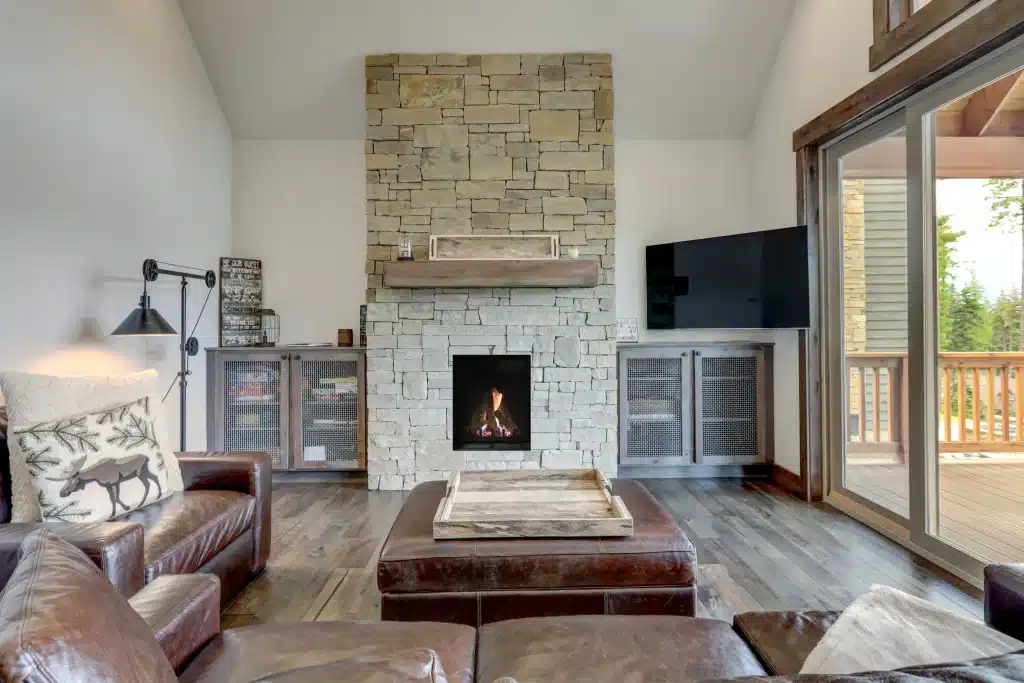
Choosing the right fireplace starts with choosing the right venting system. For many homes, especially modern builds and remodels, direct vent systems offer safety, style, and adaptability. With Acucraft’s expertise and full-service support, you’ll find a fireplace that not only looks stunning but functions flawlessly for years to come.To explore your options, check out our full line of Direct Vent Fireplaces or contact our fireplace design experts.